
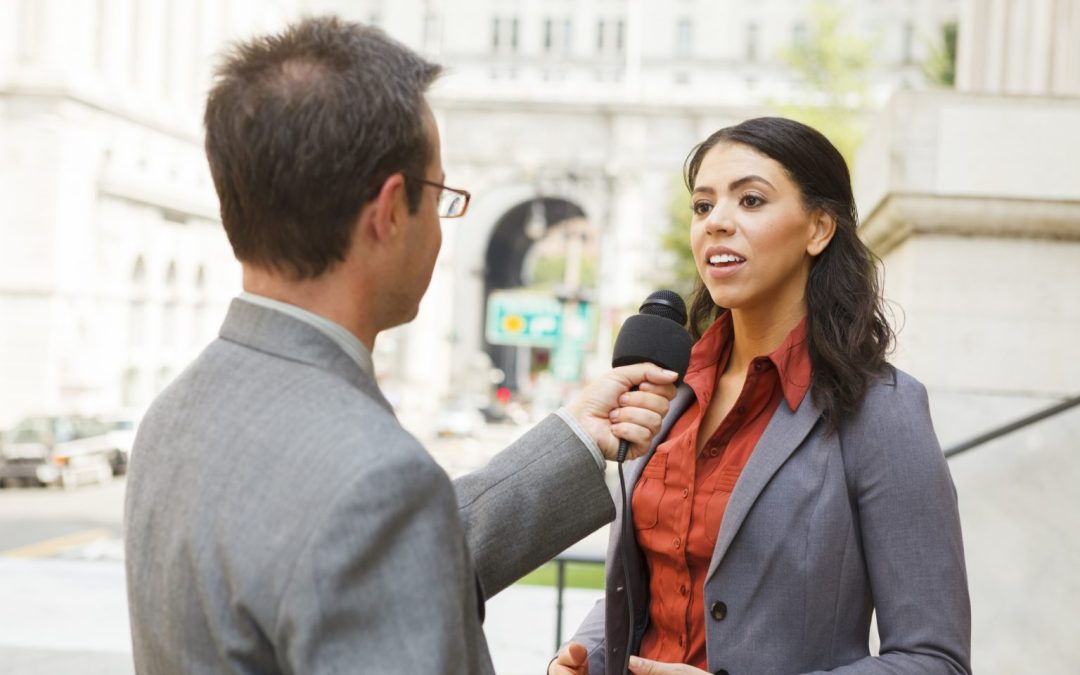
A journalist waiting outside an office, home, hotel or event venue creates a very different challenge from a scheduled interview. There is no studio, formal briefing or carefully agreed start time. The spokesperson may be walking towards a car, carrying a bag or trying to enter a building when questions suddenly begin.
These encounters are commonly known as doorstep interviews. They are often used when a story is developing quickly, an organisation has not provided a spokesperson or a journalist wants an immediate reaction from someone at the centre of an issue.
An unexpected approach can feel intrusive and intimidating, but a poor response may make the situation worse. Anger, panic, speculation or an attempt to physically block the camera can become the most memorable part of the story. Preparation through Media Training and Crisis Media Training helps leaders respond calmly, protect their safety and avoid turning a difficult moment into a reputational crisis.
Assume You Are Being Recorded Immediately
The camera may already be recording before the first question is asked. A journalist does not need to announce a formal beginning in the way they might during a pre-arranged interview. Anything said while approaching or leaving the location could potentially be used.
This means there is no safe moment for an irritated aside, sarcastic comment or private observation. Facial expressions and body language can also form part of the footage. Rolling the eyes, laughing at a serious question or looking visibly furious may communicate more than the words themselves.
As soon as journalists or cameras are noticed, the spokesperson should assume that the interview has started. They should remain composed, avoid speaking to colleagues about the issue and focus on moving safely towards the agreed destination.
Do Not Run, Hide or Become Confrontational
The natural response to an unexpected camera may be to turn around, hurry away or cover the face. Although understandable, this can make the footage appear more dramatic and suggest that the person has something to hide.
Confrontation is even more damaging. A spokesperson should never push a camera, grab a microphone or threaten the journalist. They should also avoid attempting to lecture the reporter about their behaviour while emotions are high. The resulting exchange could become the story, distracting attention from any planned organisational response.
A calm, steady manner is usually the safest option. Continue walking at a normal pace, acknowledge the journalist and use a prepared response if appropriate. It is possible to decline an interview without appearing evasive or hostile.
The objective is not to win an argument on the pavement. It is to reach a secure location while protecting personal safety and the organisation’s position.
Use a Short Holding Response
Silence may sometimes be appropriate, particularly where legal restrictions apply, but walking past every question without acknowledgement can look uncomfortable on camera. A concise holding response can demonstrate that the issue is being taken seriously without drawing the spokesperson into a full interview.
A useful response might explain that the organisation is aware of the situation, is establishing the facts and will provide further information through the appropriate channel. It should be short enough to deliver clearly while walking and should not contain speculation or unverified detail.
For example: “We understand the concern about what has happened. Our immediate priority is supporting those affected and establishing the facts. We will provide a full update as soon as we can.”
The wording must reflect the actual circumstances. It should never claim that an investigation is underway if that is not true or promise an update at a time the organisation cannot meet.
A holding response is not the beginning of a longer conversation. Once it has been delivered, the spokesperson can politely repeat that further information will be provided shortly and continue towards the entrance or vehicle.
Avoid Answering Questions One by One
Journalists may ask several questions in rapid succession. Some may contain allegations, disputed figures or emotionally charged language. Trying to answer each question while walking is risky because the spokesperson has no time to check the premise, consider the wording or confirm the facts.
An answer intended to correct one small detail may accidentally validate a larger allegation. A casual “no comment” may also be interpreted as dismissive, particularly where people have been affected.
Rather than responding question by question, the spokesperson should return to the agreed holding message. Repetition may feel unnatural, but it is safer than improvising. The person can acknowledge that important questions are being asked while explaining that a proper response will follow.
Media Training helps spokespeople recognise when they are being drawn beyond confirmed information. It also provides practice in delivering a short message naturally, without sounding robotic or unnecessarily defensive.
Make Personal Safety the Priority
Doorstep situations can become physically difficult. Several journalists may gather around one entrance, microphones can be pushed forward and members of the public may join the crowd. The spokesperson should not attempt to manage this alone if an approach is anticipated.
Security, reception and event staff should know what to do. A clear route into the building should be maintained, and someone should be available to meet the spokesperson where appropriate. Drivers should know the correct collection point and avoid creating additional confusion by stopping in an unsafe place.
The organisation should never ask an employee to force a path through a crowd or physically move journalists. If access is blocked or anyone feels threatened, trained security staff or the police should be contacted according to the seriousness of the situation.
Personal information also requires care. A doorstep interview outside someone’s home can involve family members or neighbours who have no connection with the story. Organisations should consider alternative accommodation, transport or security support where a credible risk exists.
Prepare Reception and Frontline Teams
The senior spokesperson may not be the first person approached. Receptionists, assistants, security staff and employees entering the building can all be asked for a comment. An unguarded response from a colleague may be recorded and presented as evidence of the organisation’s attitude.
Frontline teams should know who to contact when journalists arrive and where approved statements can be found. They should remain polite, avoid guessing and direct enquiries to the communications team.
Instructions need to be practical. Simply telling employees not to speak to the media may leave them unsure how to respond when a microphone appears. A short phrase such as, “I’m not authorised to comment, but our communications team is dealing with enquiries,” gives them something clear and professional to say.
Internal briefings must also warn staff against discussing the situation within earshot of reporters or posting photographs and comments on social media.
Include Doorstep Interviews in Crisis Exercises
Many crisis plans concentrate on formal statements, press conferences and scheduled broadcast interviews. They overlook the uncomfortable few metres between the building entrance and a waiting car.
Crisis Media Training should recreate this environment. A realistic exercise can include questions being shouted from different directions, cameras appearing unexpectedly and a spokesperson having to deliver a holding response while moving towards a safe location.
Practice reveals simple but important problems. The response may be too long, the chosen entrance may be unsuitable or the spokesperson may instinctively stop and become drawn into a detailed exchange. These weaknesses are much easier to correct during training than during a real crisis.
Keeping Control When the Cameras Appear
A doorstep encounter is designed to capture an immediate reaction, but an immediate reaction does not need to be an uncontrolled one. The strongest response is usually calm, brief and human.
Spokespeople should assume they are being recorded, avoid confrontation, use confirmed wording and keep moving safely. The wider organisation should support them with clear procedures, trained staff and practical security arrangements.
Effective Media Training cannot prevent a journalist from appearing outside an office or event. It can, however, prevent a few pressured moments on the pavement from causing lasting damage. When people know what to expect and have rehearsed what to do, they are far more likely to protect themselves, communicate responsibly and keep an already difficult situation from escalating.