
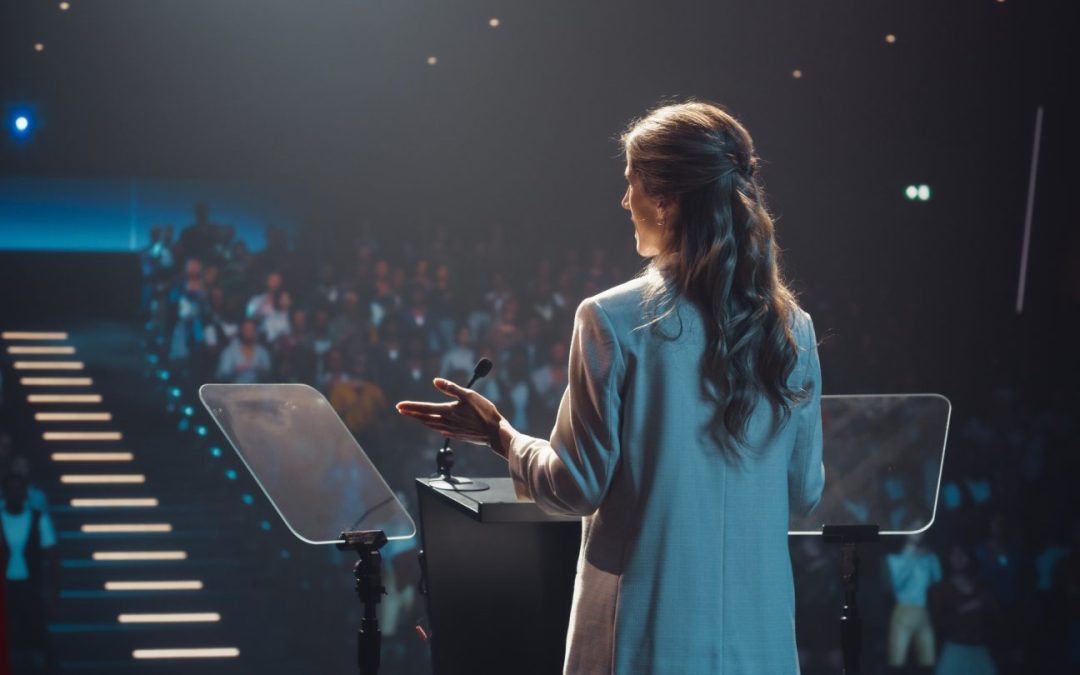
A one-to-one media interview can be demanding, but a live studio debate introduces a completely different set of pressures. Instead of responding to one journalist in a relatively structured conversation, a spokesperson may need to compete for attention with several panellists, react to opposing arguments and communicate within short, unpredictable speaking slots.
There may be little opportunity to develop a detailed answer. Another guest can interrupt, the presenter may change direction without warning and the discussion can become heated. Everything happens live, leaving no chance for an answer to be edited or recorded again.
Strong performance in this environment depends on preparation, discipline and an understanding of how studio debates work. Media Training can help spokespeople remain composed, make their contribution memorable and avoid being drawn into exchanges that damage their credibility.
Understand How a Debate Differs from an Interview
In a conventional interview, the journalist normally asks the questions and the spokesperson provides the answers. Although the questions may be challenging, the roles are reasonably clear.
A panel discussion is less predictable. The presenter must divide limited time between several people, each of whom may have a different perspective and communication style. Some panellists will wait politely for an invitation to speak, while others may interrupt or attempt to dominate the conversation.
The spokesperson is therefore responsible for more than answering questions. They must listen to other contributions, identify suitable moments to enter the discussion and respond without losing sight of their own key messages.
The aim is not necessarily to defeat every opposing argument. Audiences often respond more positively to someone who appears calm, informed and reasonable than to the loudest person in the studio. A spokesperson who understands this can contribute with authority without treating the discussion as a personal contest.
Research the Programme and Other Panellists
Preparation should begin with the programme itself. Is it a serious current affairs discussion, a fast-moving news debate or a more informal magazine-style show? How long are the typical answers, and how actively does the presenter control the conversation?
Watching previous episodes can reveal the programme’s rhythm. It can also show whether the presenter tends to challenge every guest equally, encourage direct disagreement or move quickly between subjects.
The organisation should ask who else is expected to appear and research their likely position. This is not about preparing personal attacks. It is about anticipating the arguments, evidence and examples that may be used.
A hostile panellist may repeat a damaging allegation, challenge the spokesperson’s motives or present selective statistics. Knowing this in advance allows the spokesperson to prepare a calm, factual response rather than reacting emotionally on air.
However, preparation should remain flexible. Guests can change at short notice and the debate may move in an unexpected direction. Memorising a rigid script will make it harder to adapt naturally.
Prepare Messages for Short Speaking Slots
A spokesperson may have only 20 or 30 seconds before the presenter turns to another guest. Long explanations and detailed background information are therefore unlikely to land effectively.
Each key message should be reduced to one clear idea supported by a useful fact, example or consequence. The strongest contributions often begin with the main point rather than several sentences of context.
Instead of saying, “There are a number of different factors that we need to consider before reaching a conclusion,” the spokesperson should state the conclusion first. They can then provide the most relevant evidence if time allows.
It is useful to prepare different lengths of the same answer. A spokesperson might develop a ten-second version, a 30-second version and a longer explanation. This allows them to adjust to the time available without losing the central message.
Media Training provides an opportunity to practise this compression. It helps spokespeople recognise which details strengthen an answer and which merely use up valuable airtime.
Handle Interruptions Without Losing Composure
Interruptions are one of the most difficult features of live debates. The instinct may be to raise the voice, speak faster or continue regardless. If several people do this simultaneously, the audience hears very little and everyone involved can appear unreasonable.
When another panellist interrupts, the spokesperson should first judge whether the presenter is likely to intervene. A brief pause may allow the presenter to restore order without creating a confrontation.
If the interruption continues, a calm phrase can help retain the floor: “I listened to your point, so please allow me to finish this one,” or, “I will come to that, but the important fact here is…”
The wording should remain professional. Accusing someone of lying or demanding that they be silent can turn a discussion into an argument. Even if the other panellist behaves badly, the spokesperson should avoid copying their tone.
Body language matters too. Eye-rolling, sighing or laughing dismissively may be captured while someone else is speaking. The camera can remain on a listening guest, so composure must be maintained throughout the debate.
Challenge Hostile Panellists Carefully
A spokesperson does not need to accept every claim made by another guest. Incorrect or misleading statements should be challenged, particularly if leaving them unanswered could harm the organisation.
The strongest rebuttals are brief and evidence-led. The spokesperson can identify the point they dispute, explain why it is wrong and replace it with accurate information. This is more effective than attacking the person who made the claim.
Phrases such as “That is not an accurate description of what happened” or “The evidence shows something different” allow the spokesperson to disagree firmly without becoming aggressive.
Questions can also be useful, but they should be used with care. A short question may expose a weakness in an opposing argument, while a complicated one can consume the spokesperson’s limited time and give the other person another opportunity to speak.
During sensitive situations, Crisis Media Training can help leaders practise responding to emotional accusations, incomplete facts and rapidly changing information. The discipline learned in these exercises is valuable when a live discussion becomes confrontational.
Build Rapport with the Presenter
The presenter is responsible for moving the programme forward, maintaining balance and keeping to time. Treating them as an opponent usually makes the interview harder.
A spokesperson should listen closely to the presenter’s questions and answer them directly before moving towards a key message. Repeatedly ignoring the question may lead to more forceful interruptions and create the impression of evasion.
Using the presenter’s name occasionally can make an answer feel conversational, but it should not become artificial. Natural eye contact and attentive listening are more important.
If the presenter signals that time is running out, the spokesperson should bring the answer to a clear close. Attempting to continue over the programme’s final announcement is unlikely to add anything useful.
Rapport does not mean expecting an easy interview. A presenter may challenge the spokesperson sharply while still conducting the discussion fairly. Remaining polite and responsive helps preserve credibility even when the questions are uncomfortable.
Practise the Pressure, Not Just the Answers
Reading briefing notes cannot reproduce the pace and unpredictability of a live panel. Effective preparation should include a realistic rehearsal with several participants, interruptions and strict time limits.
The spokesperson should practise entering the conversation, delivering concise messages and responding when another guest misrepresents their position. Recording the exercise allows detailed review of language, pace, facial expressions and body language.
Training should also cover practical details such as arrival times, microphones, earpieces and where to look when speaking. Familiarity with the studio environment reduces unnecessary anxiety and allows the spokesperson to concentrate on the discussion.
Making Every Moment on Air Count
Success in a live debate is not measured by speaking for the longest time or answering every criticism. It comes from making a small number of clear, credible contributions that the audience can understand and remember.
Thorough research, concise messages and realistic Media Training give spokespeople the tools to participate confidently. They can disagree without becoming hostile, manage interruptions without losing control and work with the presenter while still representing their organisation effectively.
Live panels will always contain an element of unpredictability. With the right preparation, that uncertainty becomes manageable rather than overwhelming, allowing the spokesperson to remain composed and make every limited moment of airtime count.